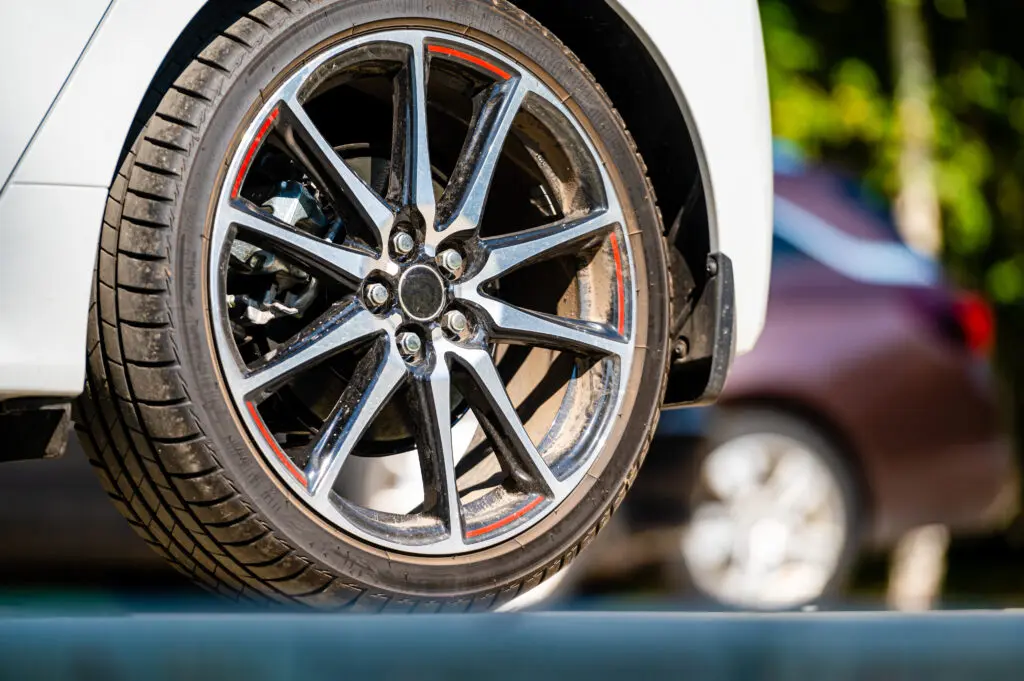
Kelowna summers are made for beach days, camping weekends, and road trips through the Okanagan. They also bring intense sunlight, hot pavement, heavier highway travel, and added stress on vehicle tires. While summer tires are engineered for warm-weather performance, they still require the right pressure, healthy tread, and regular inspections to remain dependable.
The relationship between tires and summer heat is not as simple as assuming that hot weather automatically ruins a tire. Problems become more likely when heat is combined with underinflation, overloading, high speeds, aging rubber, impact damage, or worn tread. A tire that seems fine during a cool morning commute may behave differently after hours on hot asphalt with a fully loaded vehicle.
Understanding how summer heat affects tires can help you catch concerns earlier, avoid preventable breakdowns, and make informed decisions about when to change your tires. Whether you are maintaining a newer set, comparing a used tire with a new option, or preparing for a long weekend drive, a little attention can make a meaningful difference.
Warm Weather Creates Hidden Stress for Vehicle Tires
Summer tires use tread patterns and rubber compounds designed to deliver responsive handling and dependable grip on warm roads. However, being made for warm conditions does not make summer tires immune to heat-related stress. Performance summer tires use compounds optimized for warm pavement, while Transport Canada warns that underinflation combined with summer heat and highway speeds can increase the risk of tire failure.
As a tire rolls, its sidewalls flex and its tread repeatedly meets the pavement. This movement naturally produces heat. On a hot Kelowna afternoon, the surrounding air and road surface add to that operating temperature. Properly inflated summer tires in sound condition are better prepared to manage this normal stress. Underinflated, overloaded, damaged, or badly worn tires may flex more than intended and generate additional heat.
So, can it become too hot for tires? Normal summer driving is not automatically unsafe for a healthy tire. The greater concern is an existing weakness that becomes more serious during sustained heat. Cracks, bulges, punctures, exposed cords, poor repairs, and advanced tread wear should never be ignored simply because the tire still holds air.
Drivers should also avoid leaving winter tires on through prolonged hot weather. Winter compounds are designed to remain flexible in cold conditions, while summer tires are better suited to warm, dry pavement. Using seasonally appropriate tires can improve handling and help prevent unnecessary wear.
Hot Pavement Changes Pressure and Influences Tread Wear
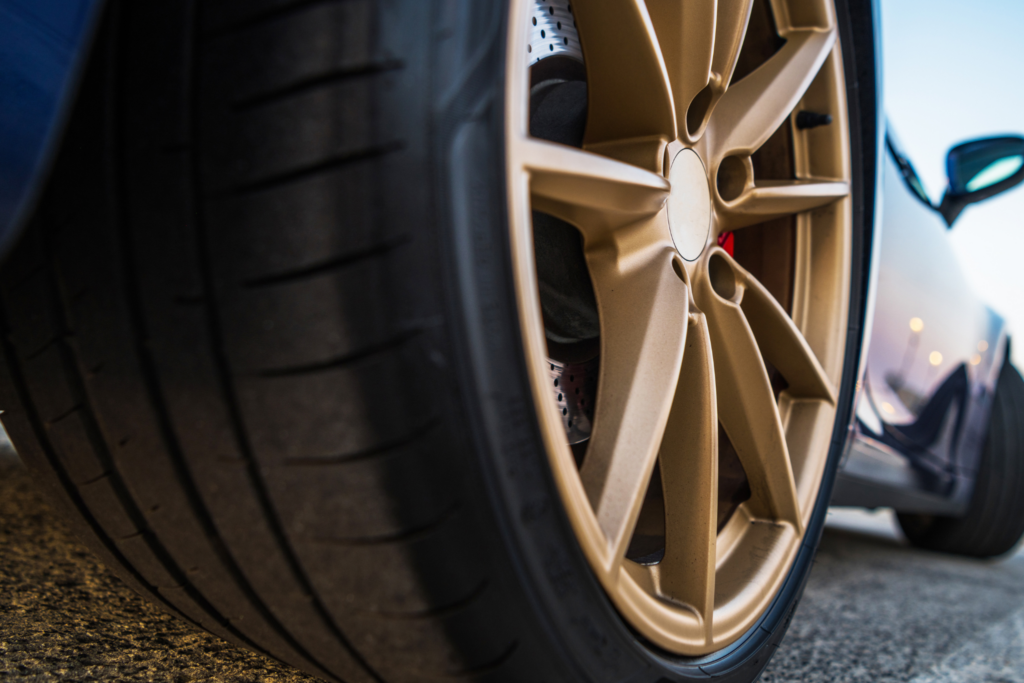
Air pressure changes with temperature, and tire pressure also rises naturally while driving. That is why pressure should be measured when the tires are cold, using the recommended setting printed on the vehicle information placard or listed in the owner’s manual. Never release air from hot summer tires simply because the reading is higher after a drive. Transport Canada recommends checking tire pressure and wear at least monthly.
Incorrect inflation changes how summer tires meet the road:
- Underinflation can increase sidewall flex, heat buildup, rolling resistance, and wear along the outer shoulders.
- Overinflation can reduce the contact area and contribute to concentrated wear near the centre of the tread.
- Uneven pressure between tires can affect steering response, braking balance, and overall handling.
- Hot pavement may also make an existing alignment or suspension problem more noticeable. Feathered tread blocks, cupping, one-sided wear, or rapid shoulder wear are not caused by heat alone, but frequent summer driving can accelerate the consequences of a mechanical issue.
Before a road trip, use this simple inspection routine:
- Check the tires before driving or after the vehicle has been parked for several hours.
- Find the recommended cold pressure on the driver’s door placard.
- Measure all four tires and the spare, when applicable.
- Inspect the tread and sidewalls for damage or irregular wear.
- Recheck the pressure before carrying heavy cargo or towing.
Drivers researching tires in Kelowna often focus on price and brand, but maintenance strongly influences real-world performance. Even premium summer tires cannot deliver their intended grip or lifespan when inflation is consistently neglected.
Heat-Related Tire Warning Signs You Should Not Ignore
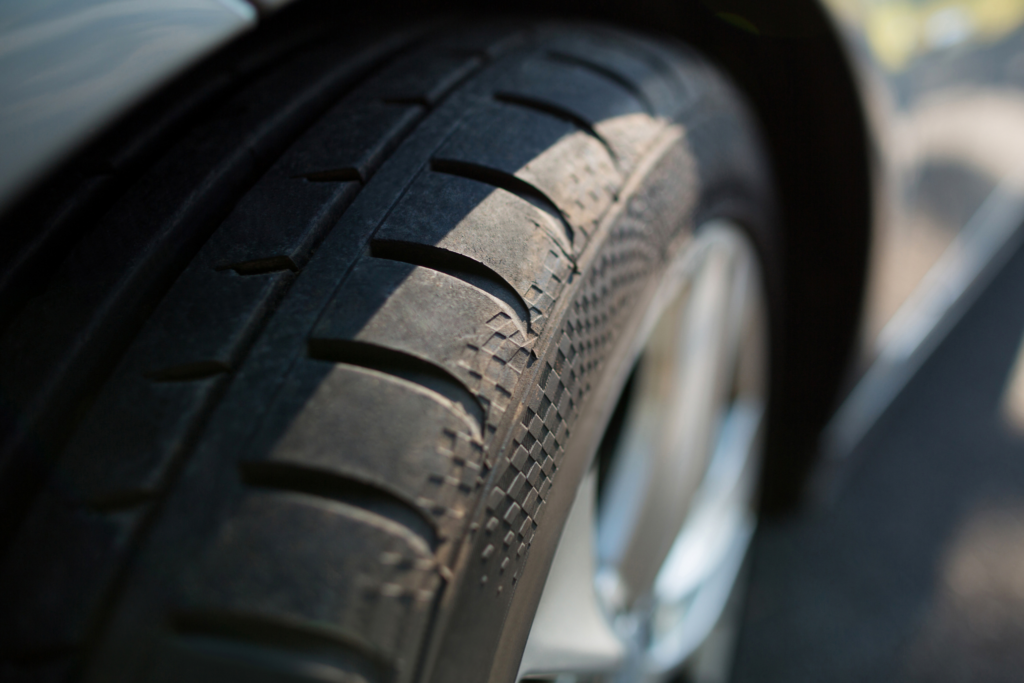
Heat-related tire trouble does not always begin with a dramatic blowout. Many problems provide visual, audible, or physical warning signs first. Take a closer look at your summer tires when you notice any of the following:
Bulges or bubbles: These can indicate internal structural damage and require prompt professional attention.
Cracking: Deep or widespread cracking in the sidewall or between tread blocks may signal deterioration.
Uneven tread wear: Heavy wear on one edge, both shoulders, or the centre may point to inflation, alignment, or suspension concerns.
Repeated pressure loss: A tire that continually needs air may have a puncture, valve leak, wheel issue, or hidden damage.
New vibration or pulling: Changes in ride quality or steering should be inspected rather than dismissed as rough pavement.
Low tread depth: Worn tread reduces the tire’s ability to move water away during summer rain and can increase hydroplaning risk. Bridgestone advises keeping tires at the manufacturer’s recommended pressure because both underinflation and overinflation can increase hydroplaning risk. (Bridgestone Tires)
Age matters as well: The question how long will tires last cannot be answered by mileage alone. Driving habits, maintenance, storage, climate exposure, tire quality, vehicle condition, and remaining tread all influence service life.
When evaluating a used tire, check more than tread depth. It must be the correct size, construction, load index, and speed capability for the vehicle. Tire speed ratings describe a tire’s tested maximum speed capability under specified conditions; they are not permission to exceed posted limits. A replacement with the wrong specifications can change how the vehicle handles.
Recognizing When Summer Tires Have Reached the End of the Road
Many motorists ask, when do you replace tires? The best answer comes from considering tread, damage, age, pressure loss, and upcoming driving needs together. Do not wait for one final warning sign if several smaller concerns are already present.
Summer tires may need replacement when:
- The tread has reached the legal minimum or wet-weather performance has noticeably declined.
- Damage cannot be safely repaired, such as sidewall punctures, exposed cords, or significant bulges.
- The tire repeatedly loses pressure despite being refilled.
- Wear is severely uneven because of alignment, suspension, or inflation problems.
- The rubber is aging or deteriorating, even when the vehicle is driven infrequently.
- The tire no longer meets the vehicle’s size, load, or speed-rating requirements.
Knowing when to change your tires also depends on where you plan to drive. A marginal tire that manages short city errands may not be a wise choice for a fully loaded highway trip in peak heat. Inspect summer tires early enough to address concerns before heading toward Vancouver, the Kootenays, or a remote campsite.
A quality used tire can be a practical replacement when it has suitable tread, passes inspection, and correctly matches the vehicle. Drivers looking to buy used tires may save money when replacing one damaged tire, preparing a leased vehicle for return, or maintaining an older car. Top Grade Tire offers single tires, pairs, and sets for cars and trucks, and states that some of its inventory retains substantial usable tread.
Practical Summer Tire Care for Kelowna Drivers
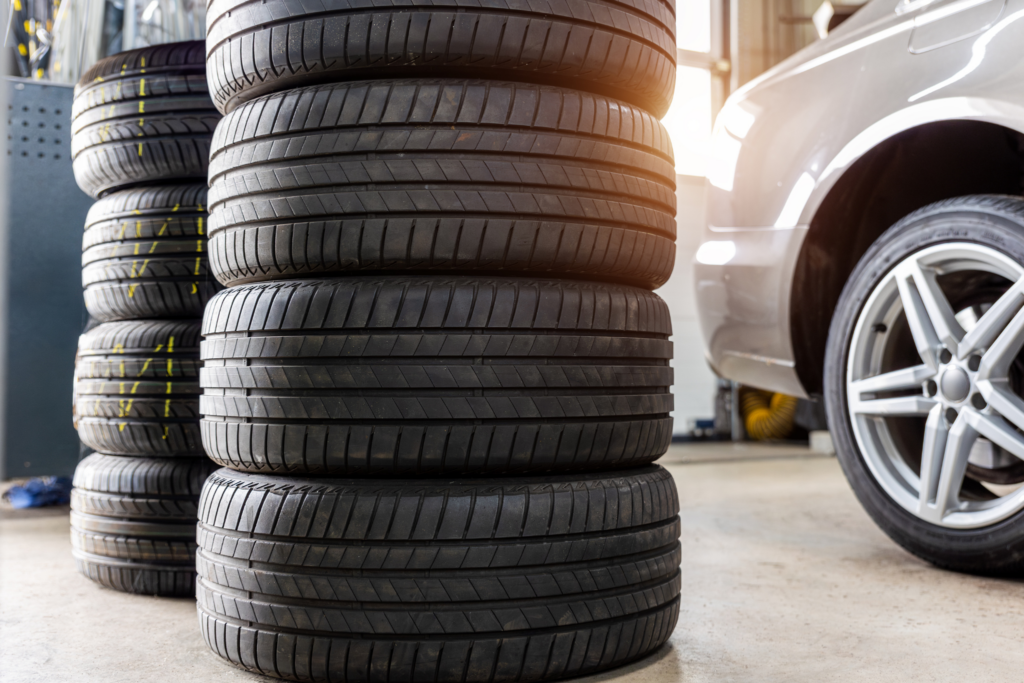
Understanding the connection between heat and summer tires is useful, but consistent maintenance is what protects you on the road. These habits can help summer tires perform reliably through hot afternoons, highway trips, sudden rain, and everyday city driving.
Check cold tire pressure regularly: Inspect it at least monthly and before extended travel. Follow the vehicle manufacturer’s recommended pressure rather than the maximum number moulded into the tire sidewall.
Inspect the tread and sidewalls: Look for embedded objects, cuts, cracks, bulges, exposed material, and unusual wear. Catching a problem early may prevent additional damage.
Avoid overloading the vehicle: Passengers, luggage, camping equipment, bikes, and trailers add weight. Stay within the vehicle’s load limits and confirm that the summer tires have an appropriate load rating.
Drive smoothly during extreme heat: Hard acceleration, abrupt braking, aggressive cornering, and sustained excessive speeds increase tire stress and wear.
Address vibration and pulling promptly: Tire, wheel, alignment, and suspension concerns rarely improve on their own. Early inspection may protect the remaining tread.
Store off-season tires correctly. Keep them clean in a cool, dry location away from direct sunlight, moisture, petroleum products, and ozone-producing equipment. Anyone searching “tire storage near me” should ask how the provider labels, protects, and stores each set. Plan replacement before a busy travel weekend. Searching “tire change near me” at the last minute may limit your options. An early inspection gives you time to compare summer tires, assess a used tire, and choose an appropriate solution.
Get Your Tires Ready for Another Okanagan Summer
Kelowna’s heat does not have to keep your vehicle parked. The goal is to ensure your summer tires are properly inflated, structurally sound, correctly matched to the vehicle, and ready for the distance ahead. A five-minute inspection before a road trip can reveal low pressure, damaged tread, or irregular wear before it becomes a larger highway problem.
Top Grade Tire helps Kelowna drivers find quality inspected used tires while making responsible tire disposal easy. Bring in your clean, worn-out tires and let our team ensure they are sent to a BC tire recycling facility instead of being left to collect water or take up space. Visit Top Grade Tire today to explore available tire options and recycle your old set responsibly.