

Your tires all do the same job: keeping your vehicle connected to the road. But that does not mean they all experience the same amount of stress. Front tires may handle more steering and braking forces, while driven wheels can be exposed to greater acceleration forces. Over thousands of kilometres, those differences can contribute to uneven tire wear that shortens tread life and changes how your vehicle feels on the road. That is where tire rotation becomes an important part of routine vehicle maintenance. By periodically changing the position of the tires on your vehicle, you can help distribute tire wear more evenly instead of allowing one pair or one position to wear out much faster than the others.
A consistent tire rotation schedule also gives you more opportunities to spot developing tire wear patterns before they become bigger and potentially more expensive problems. Whether you drive around Kelowna every day, travel throughout the Okanagan, or simply want to get more useful life from your tires, understanding when and why to rotate tires is worth the effort.
How Regular Tire Rotation Keeps Tread Wear More Even
Tires wear differently depending on where they are mounted on a vehicle. On many vehicles, the front tires experience additional demands because they steer the vehicle and handle a significant share of braking forces. On front-wheel-drive vehicles, they also transmit power to the road. Other drivetrains distribute those forces differently, but the basic principle remains the same: each wheel position places different demands on a tire. Tire rotation changes those positions at planned intervals. Instead of leaving the same tire in the same high-wear location for its entire life, rotation allows it to spend time in different positions. This can help the tread wear at a more consistent rate across the entire set Why does that matter?
If two tires become significantly more worn than the other two, you may need replacements sooner even though part of the set still has useful tread remaining. Consistent tire rotation can help reduce that imbalance and make it easier to get more value from the tires you already own. However, tire rotation is not a repair for an existing mechanical problem. If a tire is wearing rapidly because of incorrect alignment, damaged suspension components, improper inflation, or another issue, simply moving it to another position will not solve the underlying cause. Think of tire rotation as preventive maintenance rather than a cure for every type of uneven tire wear.
Reading Tire Wear Patterns Before They Become Bigger Problems
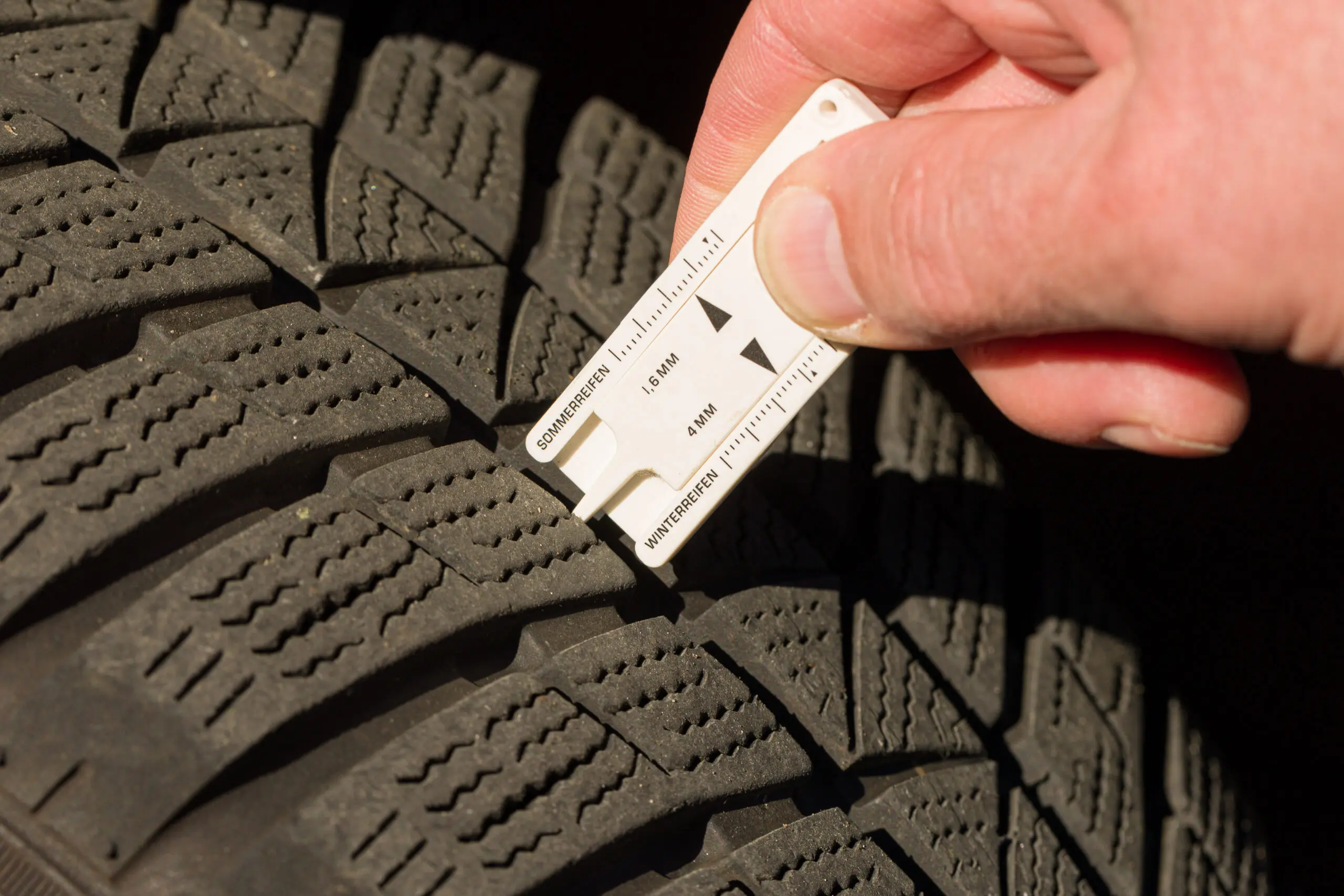
Looking at your tread can tell you much more than whether a tire is simply “good” or “worn.” Different tire wear patterns can provide useful clues about what is happening with your vehicle, which is why regular visual checks are an important part of tire maintenance.
Some of the most common tire wear patterns include:
Centre tread wear: Excessive wear through the middle of the tread can be associated with overinflation.
Wear on both outer edges: This can be linked to underinflation, which changes how the tire contacts the road.
One-sided wear: When one shoulder wears noticeably faster than the other, wheel alignment may need attention.
Cupping or scalloped wear: Repeating dips or worn patches around the tread may point toward suspension, balance, or other mechanical issues.
Feathering: Tread that feels smooth in one direction and sharper in the other can be a clue that alignment settings should be checked.
Recognizing these tire wear patterns matters because tire rotation works best as part of a broader maintenance routine. Catching an unusual pattern early may give you an opportunity to correct the cause before a relatively small problem ruins an otherwise usable tire. Make a habit of looking across the full width of the tread, rather than checking only the most visible outer edge. Compare all four tires as well. If one tire looks dramatically different from the others, that difference deserves attention. You should also pay attention to how your vehicle drives. Unusual vibration, pulling to one side, changes in handling, new road noise, or visible tire damage can all justify having the vehicle inspected rather than simply waiting until the next tire rotation.
Finding the Right Tire Rotation Schedule for Your Vehicle
A practical approach is to:
- Check the tire rotation interval listed in your vehicle owner’s manual.
- Record the odometer reading each time you rotate tires.
- Inspect tread condition and inflation pressure between rotations.
- Move your next inspection forward if you notice uneven tire wear.
- Investigate alignment, balance, suspension, or other mechanical concerns when the wear pattern suggests something beyond normal use.
Your driving conditions can also affect how quickly tire wear develops. Frequent stop-and-go driving, carrying heavy loads, rough roads, hard acceleration, strong braking, and repeated cornering can all place additional demands on the tread. Vehicles with different front and rear tire sizes, directional tires, or specialized wheel configurations can also require particular rotation methods. In some setups, certain tires cannot simply be moved from one side of the vehicle to the other. This is why it is better to follow your vehicle and tire manufacturer’s recommendations instead of assuming every vehicle should use the same tire rotation pattern. Consistency is more important than guessing at a universal schedule. Regular tire rotation should suit your specific vehicle, drivetrain, tires, wheel setup, and driving conditions.
Why Uneven Tire Wear Can Continue After Regular Rotation
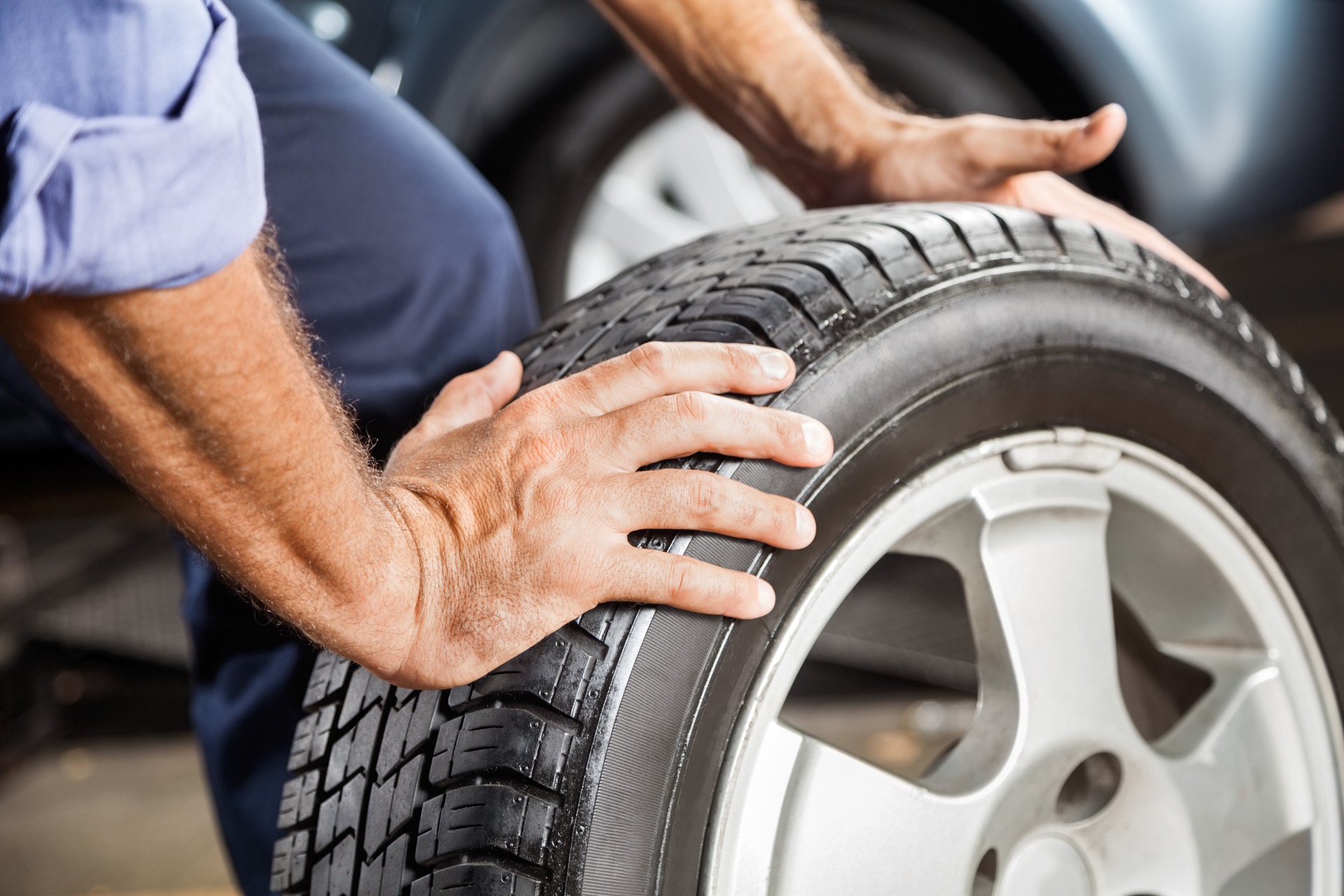
You can rotate tires on schedule and still develop irregular tread wear. That does not necessarily mean tire rotation is not working. It usually means there is another factor affecting how the tire meets the road.
Tire Pressure
One of the first things to consider is inflation pressure. A tire that regularly operates above or below the vehicle manufacturer’s recommended pressure may wear differently across the tread.
Checking pressure regularly when the tires are cold and following the specification provided by the vehicle manufacturer is a simple habit that can support more consistent tire wear.
Wheel Alignment
Alignment is another potential contributor to uneven tire wear. When alignment angles move outside their intended specifications, a tire may no longer travel across the road exactly as designed. This can concentrate wear on one side of the tread or contribute to other unusual tire wear patterns. In these cases, another tire rotation will not correct the alignment problem. The underlying issue needs attention first.
Wheel Balance and Suspension
Wheel balance and suspension condition can also play a role. An out-of-balance wheel and tire assembly may contribute to vibration and abnormal wear. Worn shocks, struts, or other suspension components can affect how consistently a tire maintains contact with the road.
Driving Habits and Road Conditions
Your own driving environment matters too. Quick acceleration, hard braking, aggressive cornering, potholes, frequent curb contact, rough roads, and carrying heavy loads can all influence how quickly tread disappears. If you keep seeing the same tire wear patterns even after following a proper tire rotation schedule, the pattern itself may be telling you something.
Instead of simply continuing to rotate tires and hoping the wear improves, have the possible cause investigated. The best approach is to treat tire rotation as one part of a complete tire-care routine that also includes proper inflation, visual inspections, alignment checks when required, and timely attention to mechanical concerns.
Making Smarter Tire Decisions with Top Grade Tire
Even with excellent maintenance, every tire eventually reaches the point where replacement makes more sense than trying to extend its useful life. Uneven tire wear can bring that point forward, particularly when an alignment, inflation, suspension, or other issue has removed a significant amount of tread from one portion of the tire. When replacement becomes necessary, Top Grade Tire gives Kelowna drivers another option beyond automatically purchasing a brand-new set. Top Grade Tire specializes in quality used tires and says its tires go through a three-step inspection process before being sold. Drivers can shop for individual tires, pairs, or complete sets depending on their needs. While Top Grade Tire does not currently provide tire rotation services, the company can help when existing tire wear means replacement tires are required.
Ultimately, getting more value from your tires is not about relying on a single maintenance task. It comes from paying attention to the entire picture:
- Rotate tires according to the recommended schedule.
- Check tire pressure regularly.
- Watch for unusual tire wear patterns.
- Take uneven tire wear seriously.
- Address alignment and suspension problems when they appear.
- Replace tires when their condition makes continued use inappropriate.
A little attention today can help prevent uneven tire wear from turning into an unnecessarily early replacement tomorrow. If your current tires are already worn and you are exploring replacement options in Kelowna, contact Top Grade Tire to ask about available quality used tires or responsible tire recycling.