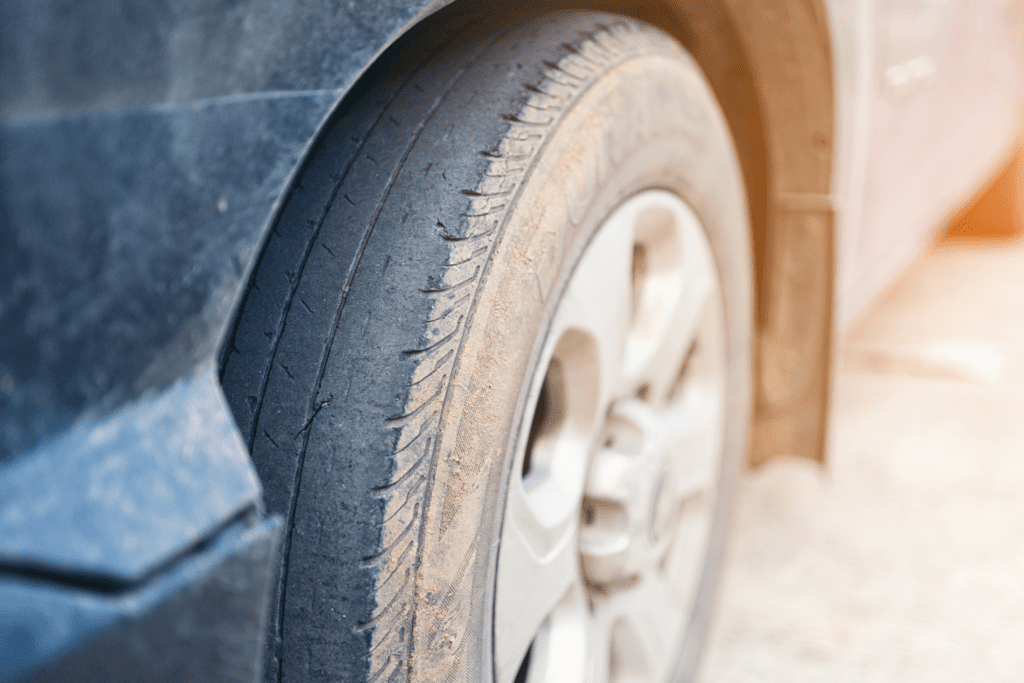
Your tires are one of the most important safety components on your vehicle, yet they’re often overlooked until something goes wrong. From uneven tread wear to low pressure warnings, many car tire problems start small before becoming expensive or dangerous repairs. Learning how to recognize the early warning signs can help you avoid breakdowns, improve fuel efficiency, extend tire life, and keep your vehicle safer on Kelowna roads throughout every season. At Top Grade Tire, drivers regularly come in with car tire problems that could have been caught much earlier with a simple inspection. Here’s what to watch for and when it’s time to repair, replace, or recycle your tires.
Common Car Tire Problems Kelowna Drivers Should Watch For
Many common car tire problems develop gradually, which makes them easy to ignore at first. Unfortunately, delaying service can lead to unsafe driving conditions and more expensive repairs later. Some of the most frequent car tire problems include:
- Uneven tire wear
- Low tire pressure
- Cracks or dry rot
- Bulges in the sidewall
- Slow air leaks
- Tire vibrations while driving
- Punctures from nails or debris
- Bald tread or worn-out tires
Kelowna’s changing temperatures, rough roads, and seasonal driving conditions can also increase the risk of car tire issues. Hot summers and colder winter temperatures often contribute to tire pressure issues that affect handling and traction. One of the biggest mistakes drivers make is assuming a tire problem will simply go away on its own. In reality, most tire issues continue to worsen over time.
Early Signs to Watch For
Here are a few warning signs that may indicate developing car tire problems:
- Your vehicle pulls to one side
- Steering feels shaky or unstable
- Tires lose pressure frequently
- You notice uneven tread patterns
- Fuel efficiency suddenly decreases
- Tires appear cracked or worn
Catching common car tire problems early can help prevent blowouts, suspension damage, and unsafe driving conditions.
Why Your Tire Problem Light Turns On
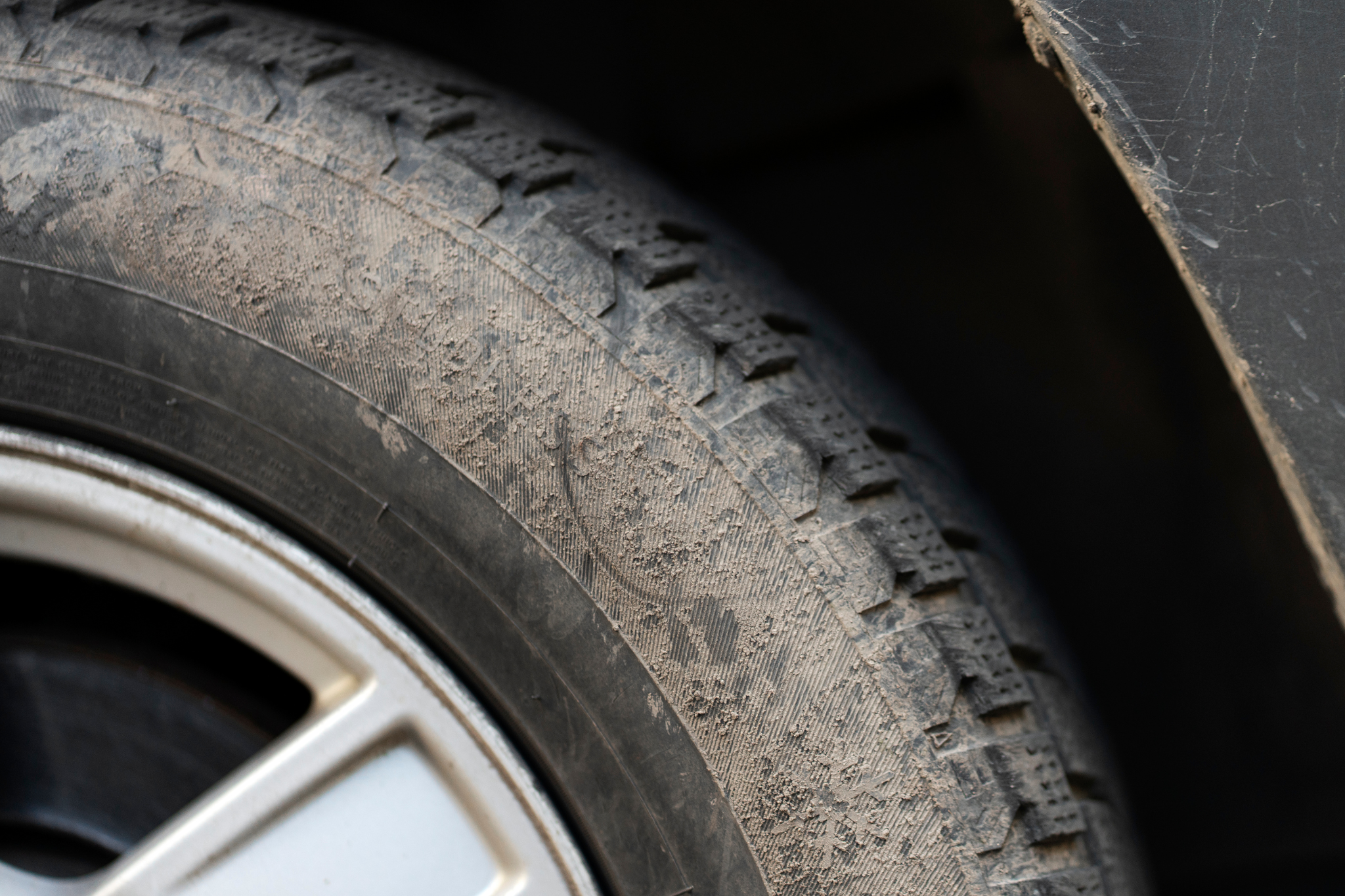
Seeing your tire problem light illuminate on the dashboard can be stressful, but it’s usually your vehicle’s way of warning you about changing tire conditions. Most modern vehicles use a Tire Pressure Monitoring System (TPMS) to detect changes in tire pressure. When pressure drops below the recommended level, the tire problem light appears. However, the warning light does not always mean you have a flat tire.
Common Reasons the Tire Problem Light Appears
Some of the most common causes include:
- Seasonal temperature changes
- Underinflated tires
- Overinflated tires
- Slow leaks
- Damaged valve stems
- Faulty TPMS sensors
- Tire punctures
During colder months in Kelowna, many drivers experience tire pressure issues simply because air contracts in lower temperatures. Even a small drop in temperature can trigger the tire problem light. Ignoring the warning can increase the risk of additional car tire problems, including:
- Reduced traction
- Faster tread wear
- Poor fuel economy
- Increased stopping distances
If your tire problem light remains on after inflating your tires properly, it’s best to have your vehicle inspected by a professional tire shop.
Tire Pressure Issues That Affect Safety and Fuel Efficiency
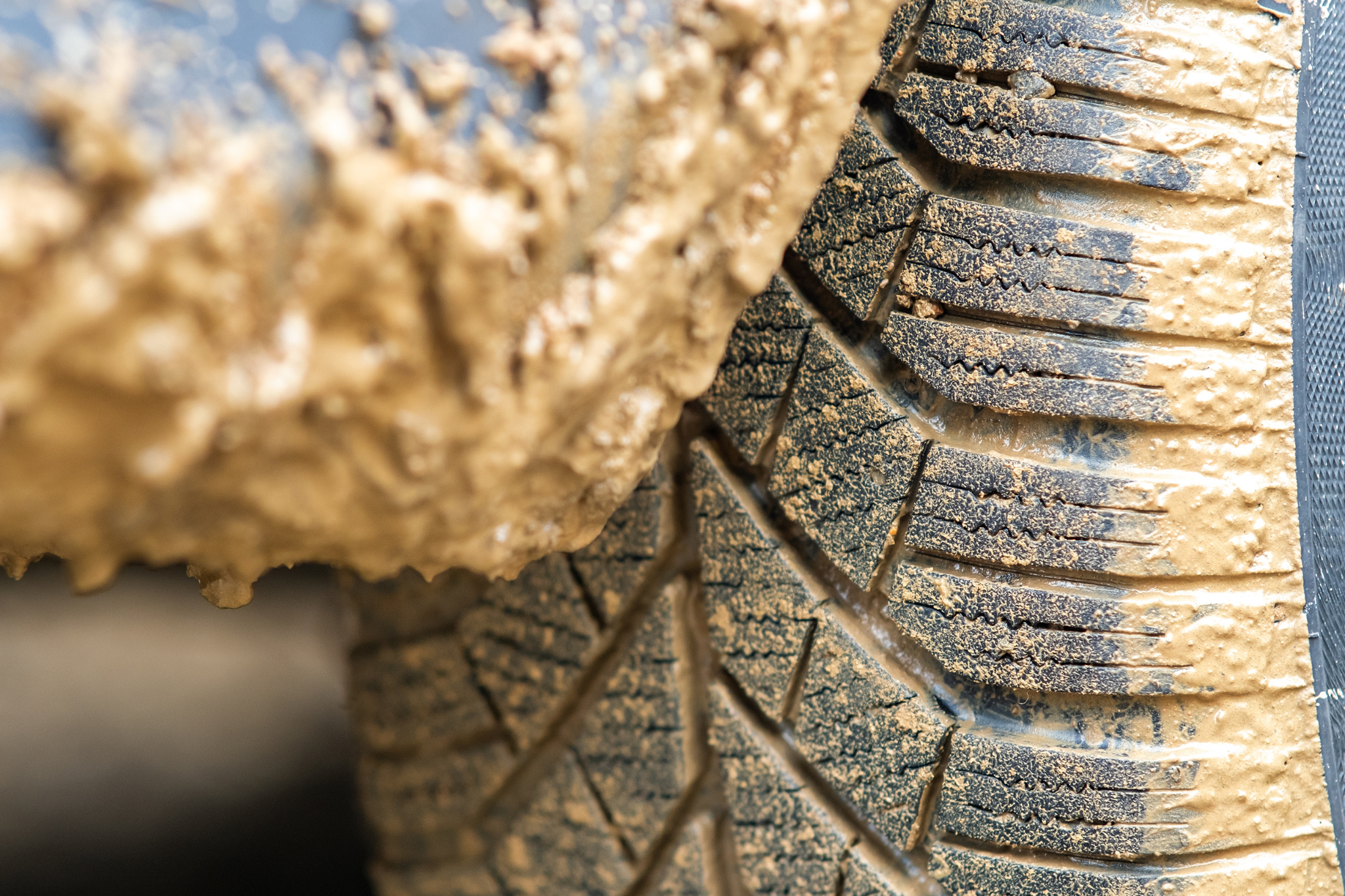
Tire pressure issues are among the most common car tire problems drivers experience year-round. Even slight pressure changes can affect how your vehicle performs on the road. When tires are underinflated, more of the tire contacts the road surface. This increases rolling resistance, forcing your engine to work harder and reducing fuel efficiency. Overinflated tires create their own risks as well. Excess pressure reduces the tire’s contact patch, which can decrease traction and create a harsher ride.
How Tire Pressure Issues Impact Your Vehicle
Improper tire pressure can lead to:
- Faster tread wear
- Poor cornering performance
- Reduced braking ability
- Lower fuel efficiency
- Increased risk of blowouts
- Uneven handling
Many drivers don’t realize that tire pressure issues can also contribute to long-term suspension and alignment problems. To reduce car tire problems caused by incorrect pressure:
- Check tire pressure monthly
- Inspect tires before long trips
- Follow manufacturer PSI recommendations
- Monitor seasonal pressure changes
- Schedule regular tire inspections
Consistent maintenance is one of the simplest ways to prevent common car tire problems before they become serious.
Tire Wear Issues and What They Reveal About Your Vehicle
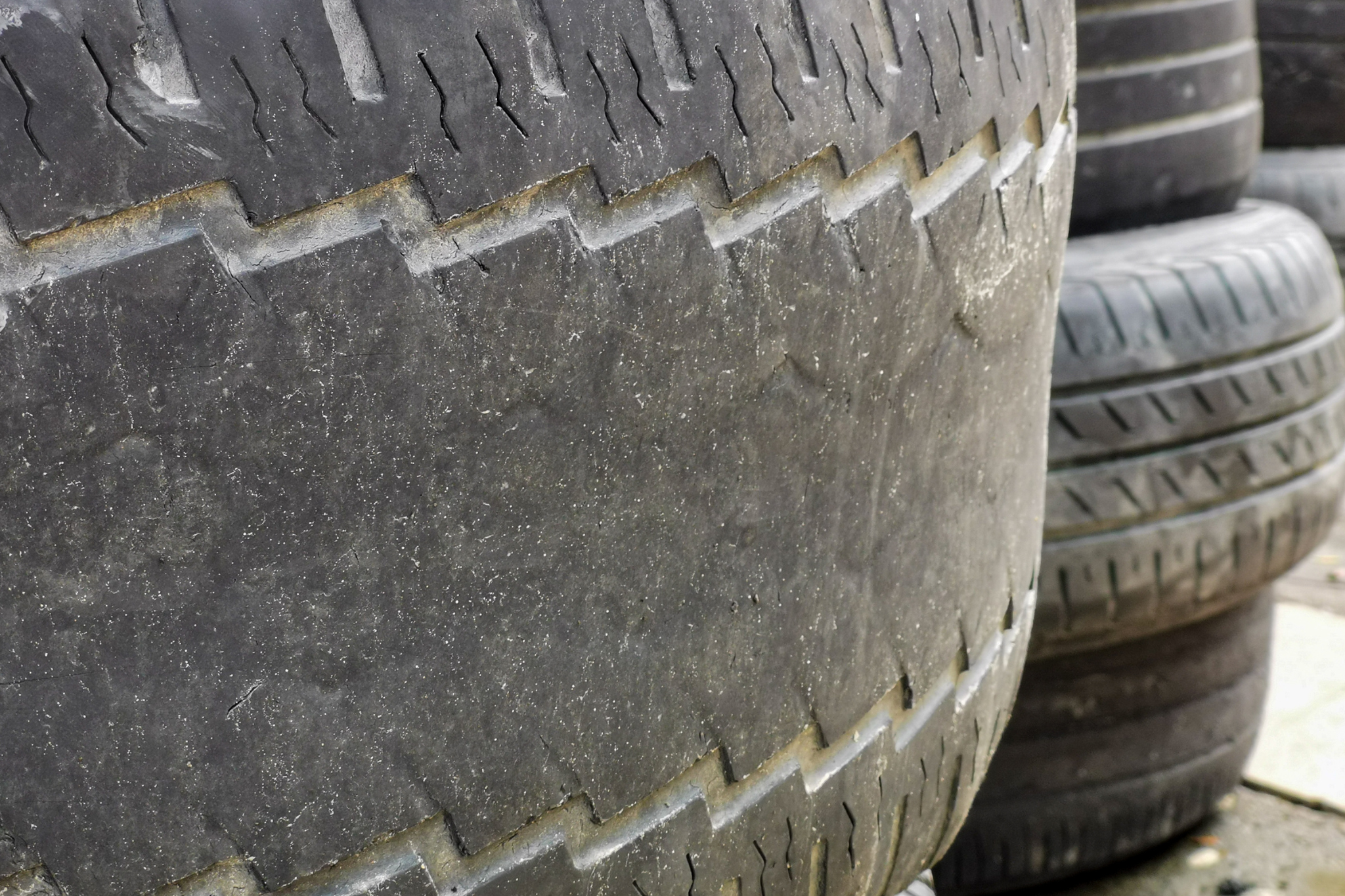
Tire wear issues often provide important clues about your vehicle’s condition. Different wear patterns can point to alignment issues, suspension damage, improper inflation, or driving habits. Understanding what your tread wear means can help identify car tire issues early.
Common Tire Wear Patterns
Centre Tread Wear
Excessive wear in the centre of the tire usually indicates overinflation.
Edge Wear
Wear along both outer edges often points to underinflation and ongoing tire pressure issues.
One-Sided Wear
If only one side of the tire wears faster, your vehicle may need an alignment.
Cupping or Scalloping
Uneven dips in the tread may signal suspension or balancing problems.
Feathering
Tread that feels smooth on one side and sharp on the other often indicates poor alignment settings.
These tire wear issues not only shorten tire lifespan but can also affect vehicle stability and braking performance. Routine tire rotations, balancing, and alignments help reduce common car tire problems and improve overall tire longevity.
When to Repair, Replace, or Recycle Your Tires in Kelowna
Not every tire issue requires replacement, but knowing when a tire can no longer be safely repaired is important. Small punctures located in the tread area are often repairable. However, sidewall damage, severe cracking, bulges, or excessively worn tread usually require tire replacement.
Signs It’s Time for New Tires
- Tread depth is too low
- Cracks appear in the rubber
- Tires constantly lose air
- Sidewalls show bulges or bubbles
- Vibrations continue after balancing
- Tires are more than six years old
If your current tires are worn beyond repair, choosing quality used tires can also be a smart and affordable option before disposing of old ones responsibly. Old tires should also be disposed of properly through local tire recycling programs rather than being thrown away. Responsible tire recycling services help reduce landfill waste and allow materials from old tires to be reused in products like:
- Rubberized asphalt
- Playground surfaces
- Athletic tracks
- Landscaping materials
At Top Grade Tire, drivers can get professional help diagnosing car tire problems, identifying tire wear issues, checking tire pressure issues, and finding the right replacement tires for Kelowna driving conditions.
Don’t Ignore Early Tire Problems
Many car tire problems begin with subtle warning signs that are easy to miss. A small vibration, minor pressure drop, or uneven tread pattern can quickly become a much larger safety issue if ignored. Regular inspections and proper maintenance help reduce common car tire problems, improve fuel efficiency, and extend the life of your tires. Whether you’re dealing with tire pressure issues, dashboard warnings, tire wear issues, or need information about tire recycling services, the team at Top Grade Tire can help keep your vehicle safe, efficient, and road-ready throughout every season.