Most drivers know car tires do not last forever. The harder question is knowing exactly when they are reaching the end of their safe, useful life. There is no single mileage number that applies to every vehicle. Some car tires may wear out sooner because of frequent highway driving, aggressive braking, poor alignment, rough roads, or inconsistent air pressure. Others may remain in good condition for years with regular maintenance and careful driving.
Understanding tire lifespan is about more than looking at the tread once in a while. The condition, age, wear pattern, and performance of your tires all matter. Learning what to watch for can help you avoid unexpected replacements, improve your vehicle’s handling, and stay safer on Kelowna roads in every season.
The Average Life of Car Tires Depends on More Than Mileage
The average life of car tires can vary significantly. In many cases, a quality set may last somewhere between five and 10 years, although mileage, driving habits, maintenance, and storage conditions can shorten or extend that estimate. For drivers who travel long distances, tire wear may become the deciding factor well before age does. A commuter who drives every day on the highway may need replacement car tires sooner than someone who drives only occasionally around town. On the other hand, a lightly driven vehicle may still need new tires due to age-related rubber deterioration, even if the tread appears fairly deep.
A few key variables affect the lifespan of tires:
Mileage and driving frequency
More kilometres naturally create more friction, heat, and tread wear.
Road conditions
Potholes, gravel, curbs, construction zones, and rough pavement can damage car tires or contribute to uneven wear.
Vehicle type and weight
SUVs, trucks, electric vehicles, and heavily loaded vehicles may place more demand on tires than a lightweight sedan.
Tire type and compound
All-season, summer, winter, and performance tires are designed for different conditions. A softer compound may provide excellent grip but wear faster in warm weather.
Maintenance history
Regular rotations, balancing, alignment checks, and proper tire pressure can make a meaningful difference in auto tire life.
The most accurate way to judge your tire lifetime expectancy is not to rely on one number. Instead, combine mileage records with regular inspections and professional advice.
What Influences Tire Lifespan and Tire Life in Years?
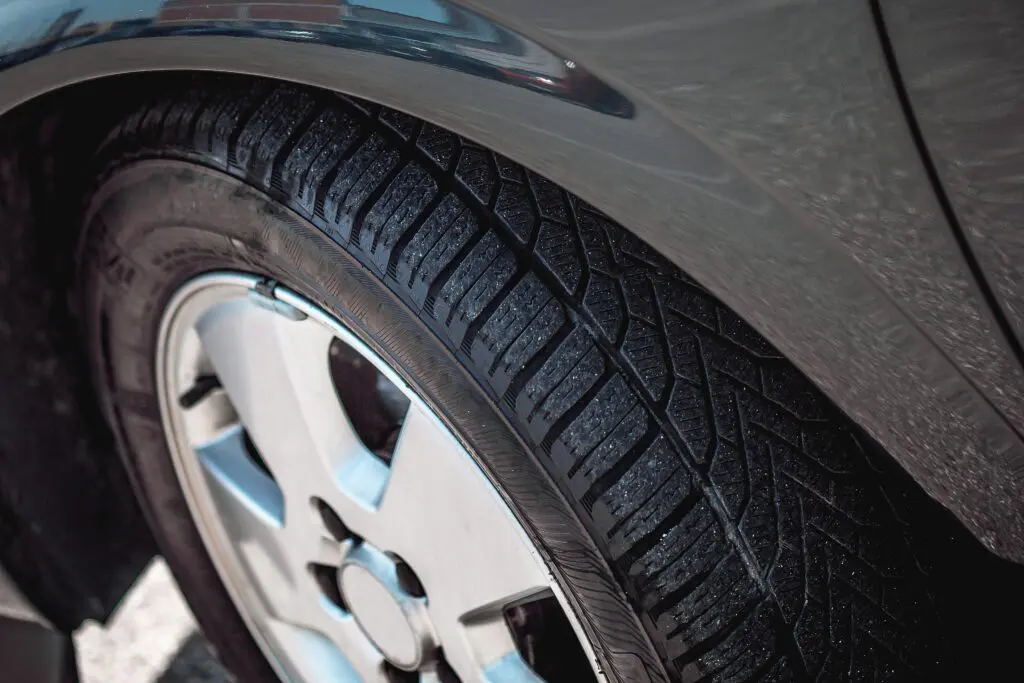
Tire life in years matters just as much as the amount of tread left on the surface. Rubber changes over time. Heat, sunlight, oxygen, moisture, and changing temperatures can gradually affect the flexibility and strength of a tire, even when a vehicle is not driven often.
This is especially important for vehicles that spend long periods parked, seasonal vehicles, trailers, spare tires, or cars that are driven only occasionally. A tire can look fine at a glance while still becoming less dependable due to its age. You can find the manufacturing date on the tire sidewall by looking for the final four digits of the DOT code. The first two numbers represent the week it was made, while the final two represent the year. For example, a code ending in 1223 means the tire was manufactured during the 12th week of 2023.
Car tires should be professionally inspected more closely as they get older, particularly once they have been in service for several years. Visible cracking, sidewall damage, bulges, vibration, or air loss are all reasons to have the tires checked sooner. The climate also affects the lifespan of your car tires. Summer heat can increase road-surface temperatures, while winter driving introduces cold temperatures, ice, snow, road salt, and rapid temperature changes. In the Okanagan, the transition between hot summers and winter conditions makes proper seasonal tire selection and storage especially valuable.
Tire Wear Patterns That Can Shorten Tire Life
Not all tire wear is normal. Smooth, even wear across the tread is generally a sign that your car tires are doing their job properly. Uneven tire wear patterns, however, may indicate a vehicle issue that needs attention.
Here are some of the most common patterns to watch for:
Wear Along Both Outer Edges
Wear on both shoulders of a tire often points to underinflation. When tire pressure is too low, more of the tire’s outer edges make contact with the road. This creates extra friction, reduces fuel efficiency, and can shorten the lifespan of tires.
Excess Wear Down the Centre
A worn centre strip may suggest overinflation. Overinflated car tires can ride more harshly and place too much pressure on the middle of the tread.
One-Sided Wear
Tread wear concentrated on one side of a tire is often connected to wheel alignment problems. Hitting potholes, curbs, or rough road surfaces can gradually knock wheels out of alignment. Left untreated, alignment problems can quickly reduce tire lifespan.
Cupping or Scalloped Wear
Cupping looks like uneven dips or scoops around the tread. It can be related to wheel balance, worn suspension components, or steering issues. You may also notice vibration while driving.
Feathered Tread Edges
Feathering happens when tread blocks feel smooth in one direction but sharp in the other. This often points to improper alignment settings and should be assessed before the wear becomes more severe.
Ignoring tire wear patterns can turn a smaller maintenance issue into a more expensive replacement. A regular inspection gives you the chance to correct the underlying cause before it affects all four car tires.
Reading Tread Wear Before It Becomes a Safety Issue
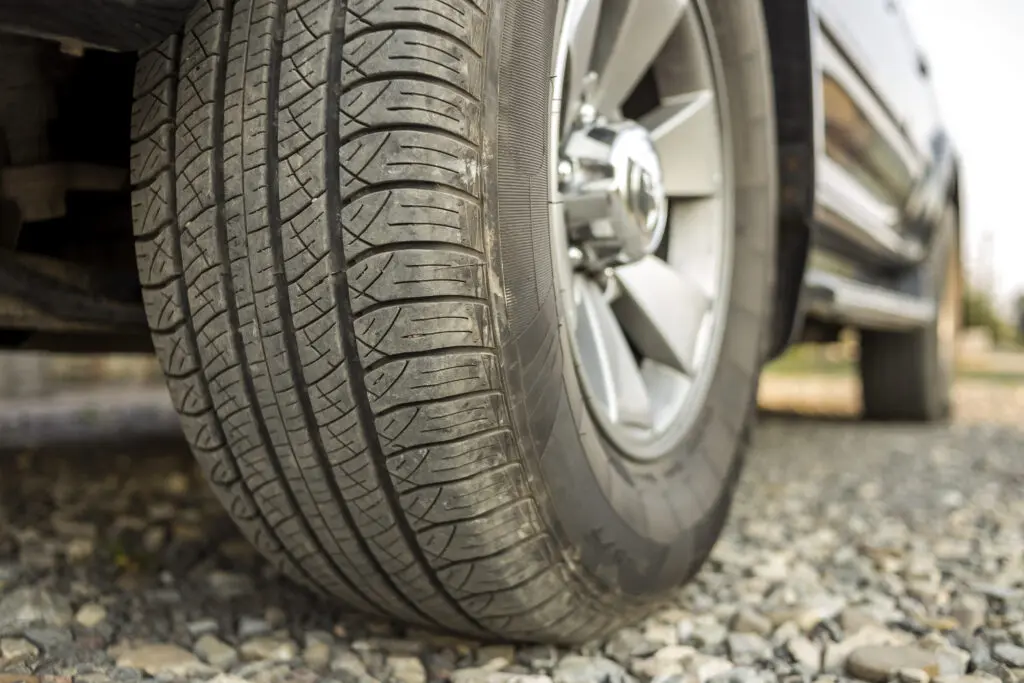
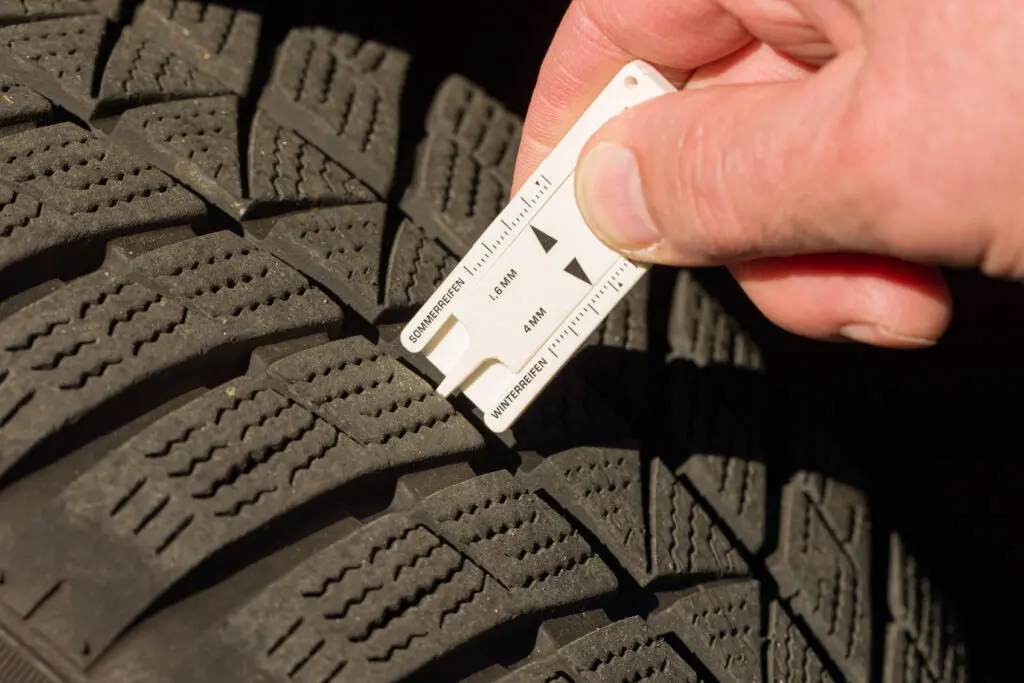
Tread is what helps car tires grip the road, move water away from the contact patch, and maintain control in changing weather conditions. As tread depth decreases, the ability to manage rain, slush, snow, and standing water also decreases. Most tires have built-in tread wear indicators located between the main tread grooves. These raised bars become level with the tread surface as the tire wears down. Once the tread reaches those indicators, replacement is necessary.
There are also simple ways to monitor tread at home:
Use a tread-depth gauge
This is the most reliable DIY method and provides a clear measurement in millimetres or 32nds of an inch.
Check multiple locations
Measure the inner edge, centre, and outer edge of each tire. This can reveal uneven tire wear that might not be obvious from a quick visual check.
Inspect for cracks and damage
Look for cuts, punctures, bulges, exposed cords, or cracking in the tread and sidewall.
Pay attention to driving changes
Pulling to one side, vibrations, reduced traction, longer stopping distances, or frequent pressure loss can all signal that your car tires need attention.
Winter tires deserve extra consideration. A tire may still be legally usable at a low tread depth, but it may no longer offer the traction needed for snow-covered or icy roads. Planning ahead allows you to replace worn car tires before winter weather makes the decision urgent.
Practical Habits That Help Car Tires Last Longer
You cannot prevent tire wear entirely, but a few consistent habits can help extend auto tire life and protect your investment.
Check tire pressure monthly.
Use the pressure listed on your vehicle’s driver-side door placard, not the maximum PSI listed on the tire sidewall. Proper inflation supports even tread wear, handling, comfort, and fuel efficiency.
Rotate tires on schedule.
Front and rear tires often wear differently, especially on front-wheel-drive vehicles. Regular rotation helps distribute wear more evenly across your set of car tires.
Book alignment and balancing checks when needed.
Have the alignment inspected if your vehicle pulls, your steering wheel sits off-centre, or you notice uneven wear. Balancing can help address vibration and prevent irregular tread wear.
Drive smoothly where possible.
Hard acceleration, sudden braking, fast cornering, and frequent curb contact all create unnecessary stress on car tires.
Switch seasonal tires at the right time.
Using winter tires through hot weather can wear down their softer rubber faster. Likewise, summer or all-season tires may not provide the appropriate traction once winter conditions arrive.
Inspect tires before road trips.
Check pressure, tread depth, visible damage, and your spare tire before heading out. It is a small task that can prevent a much bigger roadside problem.
Know When It Is Time for a Tire Inspection
Replacing car tires is not always about waiting until the tread is completely gone. Age, uneven wear, damage, handling changes, and seasonal driving conditions can all affect when replacement makes sense.
At Top Grade Tires, every used tire goes through a three-step inspection process to help ensure it is defect-free and road-ready. That gives drivers a practical, affordable option when they need dependable car tires without compromising on safety.
Whether you are concerned about tire wear, wondering about your tire life in years, or looking for a quality replacement set, a professional inspection can give you a clearer answer. The right tires should help you feel confident every time you head out on the road.